Building resilience in the financial services sector: How New World Capital Inc. moved from uncertainty to confidence
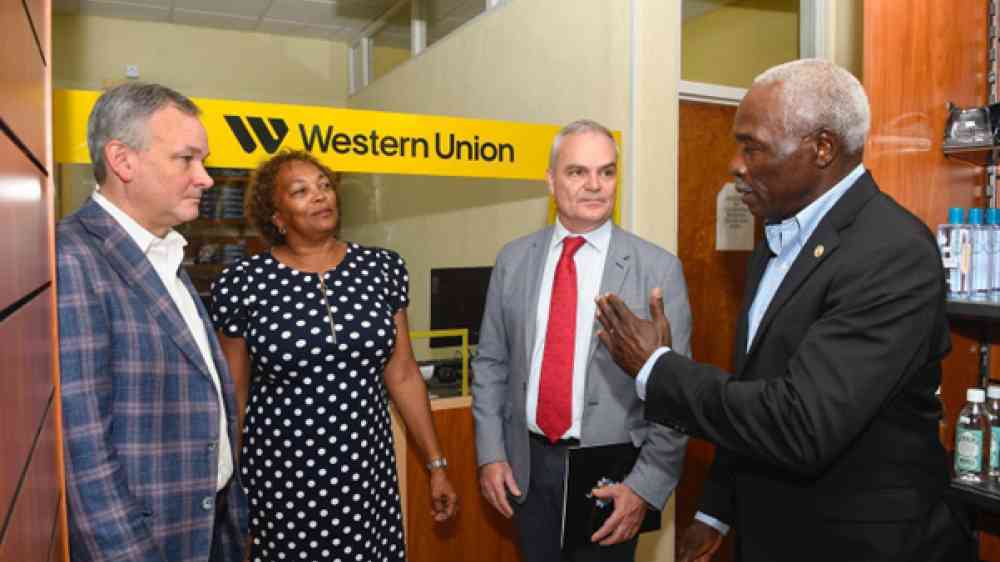
Company leaders discuss how business continuity planning strengthened New World Capital’s resilience.
When New World Capital Inc., a financial services firm in Barbados, first examined its preparedness for disruptions, the conclusion was clear: the company was vulnerable.
Like many small and medium-sized enterprises (SMEs), their approach to crises was largely reactive, guided mostly by the General Manager and national advisories rather than a structured, institutional approach. While this had worked in the past, it left the business exposed to growing risks: potential financial losses, erosion of customer trust, and prolonged operational shutdowns looming over the business.
In a sector where confidence and continuity are paramount, even short disruptions could have lasting consequences.
This began to change as New World Capital joined the joint UNDRR-BCCI initiative on strengthening the disaster resilience of SMEs. Through the program, the company was introduced to practical tools and technical guidance, including the development of a customized Business Continuity Plan (BCP), tailored to the financial services sector.
The process went beyond producing a document. It helped the company systematically identify risks, define critical functions, and establish clear recovery priorities. The resulting BCP focused on employee and customer safety, liquidity management, regulatory compliance, and rapid recovery of operations.
For the management team, one of the most transformative aspects was the clarity it brought. The process introduced clear recovery strategies, detailing roles, responsibilities, and prioritized actions in the event of disruption. This marked a decisive shift from reactive crisis management to proactive resilience planning.
Equally significant was the emphasis on communication. The BCP included pre-prepared customer messages which management described as a breakthrough. Rather than scrambling to respond during a crisis, the company now has ready-to-use messages that enable them to communicate quickly, maintaining transparency, trust, and confidence among customers and other stakeholders.
Although staff training is still underway, the benefits of the plan are already evident. The organization now has a heightened awareness of risk, a stronger culture of preparedness, and a concise roadmap for navigating disruptions. Importantly, the BCP has been embedded into the corporate governance structure, with the Compliance Officer responsible for maintaining and updating the plan as part of annual policy reviews.
For Director Horace Cobham, the journey has reshaped how the company views resilience. “We no longer just hope an event would not happen. With our BCP, we now say: if it does, we have a clear, robust way forward to recovery, minimizing downtime and building confidence with staff, customers, and stakeholders.”
By embedding business continuity planning into everyday operations and decision-making, SMEs are not only protecting their businesses but contributing to more resilient economies and communities. Mr. Cobham’s message to other SMEs is also clear: “Get it done now! A Business Continuity Plan is not just a document; it is a strategic tool that will help your business stay afloat when the proverbial storm hits.”
New World Capital Inc.’s experience highlights a broader lesson for SMEs: with the right guidance, tools and commitment, even small organizations can take concrete steps to strengthen their disaster resilience, enabling them not only to mitigate risks, but to adapt, respond and recover from disruptions with confidence.