How Meishin Transport is strengthening food logistics resilience in Japan
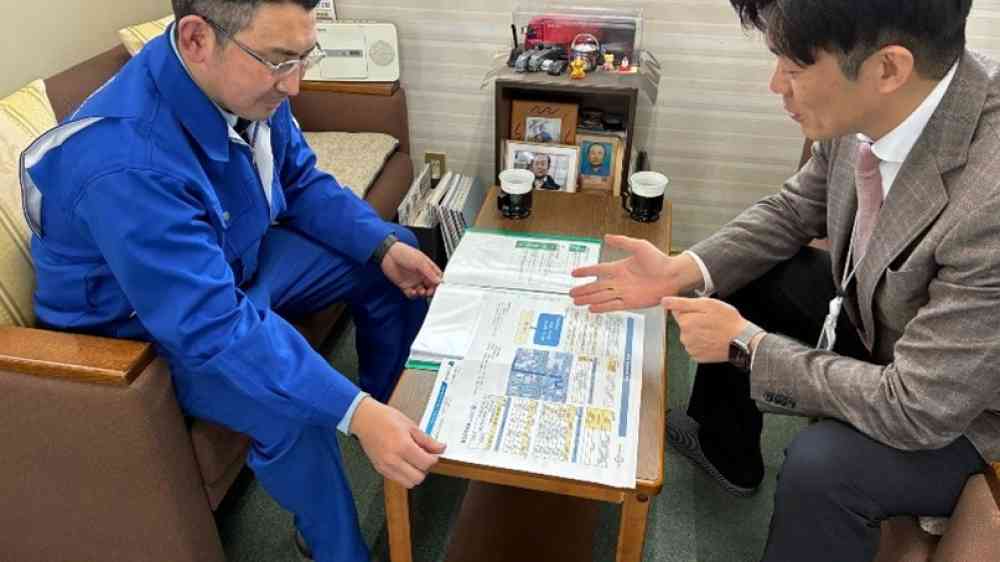
Despite often being severely affected themselves, small and medium-sized enterprises (SMEs) are important in maintaining lifelines during crises. This is particularly true for sectors like logistics as these businesses ensure the continuous movement and distribution of critical supplies. Following UNDRR’s Strengthening the disaster resilience of SMEs initiative, implemented in Barcelona (Spain), Bridgetown (Barbados), and Sendai (Japan), companies are increasingly translating past disruptions into practical strategies that protect both operations and communities. The Sendai-based Meishin Transport Co., Ltd. offers a clear example of how a local food logistics and general cargo provider is building resilience to safeguard critical supply chains.
A defining moment for understanding resilience
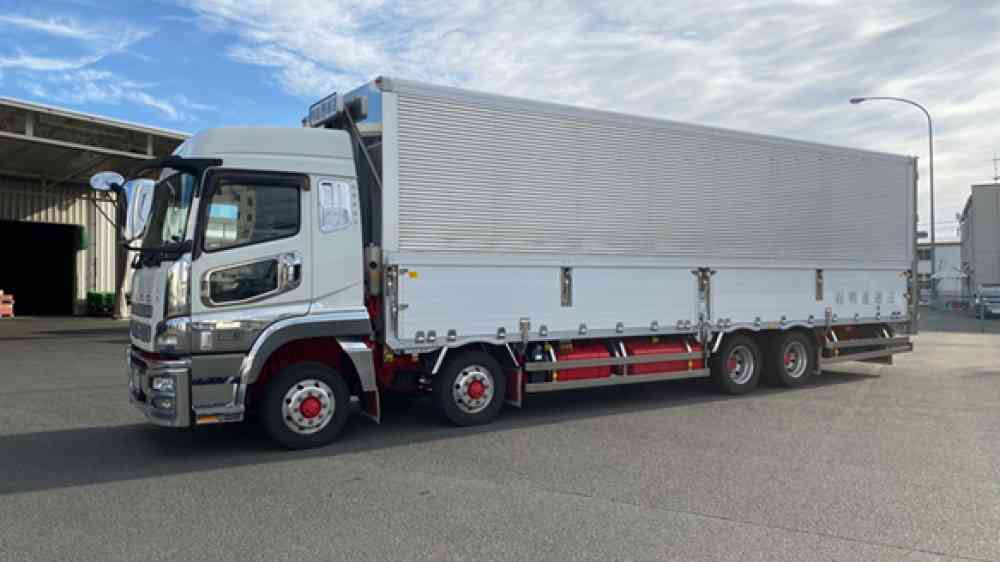
Established in 1975, Meishin Transport operates a fleet of 24 trucks delivering food and general cargo across the Miyagi Prefecture. As a trusted partner to retailers and distribution centers, the company plays a vital role in ensuring that food reaches communities.
The Great East Japan Earthquake in 2011 marked a turning point. The company’s office building was structurally impacted, and goods stored in its warehouse were scattered throughout the facility. With employees dispersed across the region, communication networks down, and roads severely damaged, the situation quickly became serious.
Despite these challenges, employees made their way back to the company, either by truck or on foot. One driver narrowly escaped the tsunami after witnessing it approach from the coastline. While there were no casualties, operations were suspended for approximately two weeks as clients and infrastructure across the region were severely affected.
The experience exposed a fundamental gap: without a formal Business Continuity Plan (BCP), coordinating response efforts, ensuring employee safety and securing fuel supplies proved extremely difficult.
Turning lessons into resilience
Aligned with the objectives of the UNDRR SME resilience initiative in collaboration with Sendai City, Meishin Transport has since taken concrete steps to strengthen its preparedness and operational continuity.
With support from Sendai City, the company developed a comprehensive BCP, identifying risks that could disrupt operations and establishing clear procedures for emergency response. This process helped transform lessons from the earthquake into actionable strategies.
As President Mr. Masafumi Inoue noted: “Developing the BCP with Sendai City’s support helped visualize areas where our company’s preparedness was lacking and motivated us to improve our stockpile and readiness.”
A key priority was employee safety. Recognizing the challenges of managing a dispersed workforce during disasters, Meishin is implementing systems to confirm employee safety and location even when conventional communication networks fail. Regular training and awareness activities are reinforcing a culture where protecting lives comes first.
Securing critical resources
The earthquake also highlighted the vulnerability of supply chains - particularly access to fuel, which is essential for transport operations. In response, Meishin is strengthening its ability to operate under constrained conditions by stockpiling fuel and essential supplies, including food and emergency sanitation equipment.
To reduce dependence on a single supply chain and increase operational flexibility during crises, the company is also developing multiple procurement routes, including collaboration with partner companies. This diversified approach enhances flexibility and ensures that even during disruptions, essential deliveries can continue.
Building resilience through collaboration
Recognizing that logistics businesses can benefit from coordination and collaboration, Meishin is working closely with neighboring businesses and larger logistics firms to strengthen mutual support systems. These partnerships enable resource sharing such as fuel, warehouse space or personnel during emergencies, but also enable exchanging on insights and lessons learned.
Participation in BCP workshops and joint simulation exercises with other logistics companies has further clarified inter-company roles and improved regional coordination across companies. This collective approach also reflects a core principle of the UNDRR initiative: resilience is amplified when businesses work together rather than in isolation.
Futureproofing the business and the community
Today, Meishin Transport is better positioned to withstand future shocks. Its tested and up-to-date BCP, improved safety systems and strengthened partnerships provide a foundation for maintaining operations under challenging conditions.
The company’s efforts to strengthen its resilience also extend beyond its own operations. By ensuring the continuity of food deliveries, the company directly supports the daily lives of residents, particularly during times of disruption when access to essential goods can become limited.
Its investments in employee safety, fuel security and collaborative networks contribute to a more stable and reliable food supply chain across the region. In doing so, the company plays an important role in strengthening overall community resilience also in the future.
As Mr. Inoue reflected: “Preparing for emergencies gives us confidence to carry out deliveries across the prefecture and builds trust with our customers and community.”
The company’s journey highlights an important lesson: resilience in logistics is not only about infrastructure, but about people, planning and partnerships. By learning from past disruptions and taking proactive steps, Meishin is helping to ensure that essential supply chains remain intact when they are needed most.
Through continued commitment and collaboration, Meishin Transport stands as a practical example of how SMEs can protect both their workforce and the communities they serve.