From recovery to readiness: How Tohoku Boring is strengthening infrastructure resilience
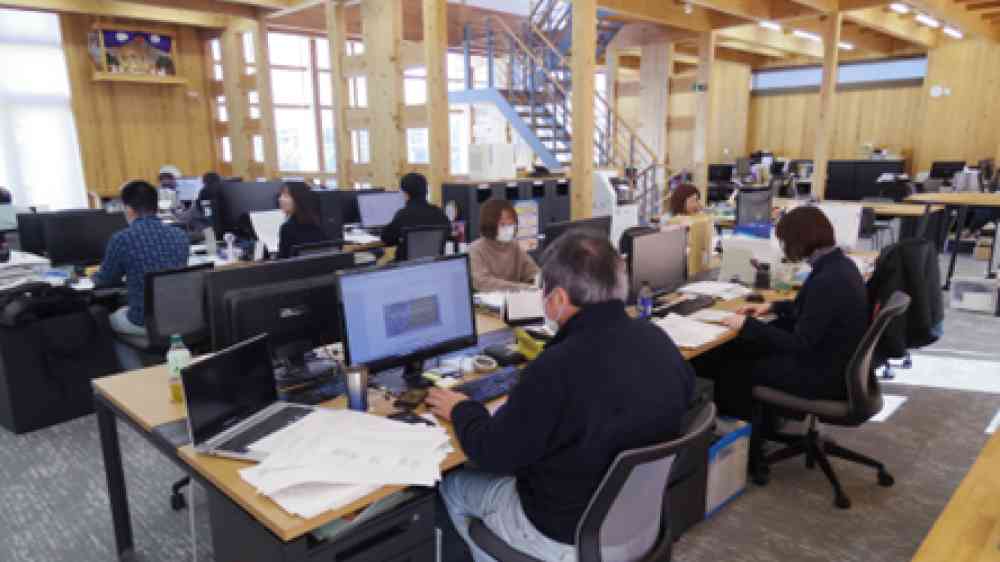
When disasters strike, communities often rely on local businesses to help keep essential services running. In Sendai, Japan, Tohoku Boring Co., Ltd. has learned firsthand the importance of preparedness and adaptability. Through UNDRR’s Strengthening the Disaster Resilience of SMEs initiative, the 46-employee company has transformed its disaster experience into proactive strategies that strengthen both its business continuity and the resilience of the wider community.
A wake-up call from disaster
Founded in 1953, Tohoku Boring Co., Ltd. provides geotechnical investigation & analysis and water-related services, including wells and hot springs, functions that are important to both daily life and post-disaster recovery.
When the Great East Japan Earthquake struck in 2011, the company’s headquarters and equipment sustained significant damage. Despite the challenges, employees mobilized quickly to restore critical water and industrial systems, driven by a strong sense of responsibility to the community.
Yet the situation also exposed serious vulnerabilities. Supply chains were disrupted for prolonged periods, making it difficult to secure fuel, materials and even food for staff. The experience highlighted a crucial gap: without prior preparation for supply shortages and operational disruption, even essential service providers can struggle to sustain their operations.
Building resilience into the core of operations
Supported by Sendai City, and aligning with UNDRR’s approach to SME resilience, Tohoku Boring reviewed its BCP. As a result, it strategically shifted its approach to BCP formulation by embedding disaster risk reduction into its infrastructure, operations and partnerships.
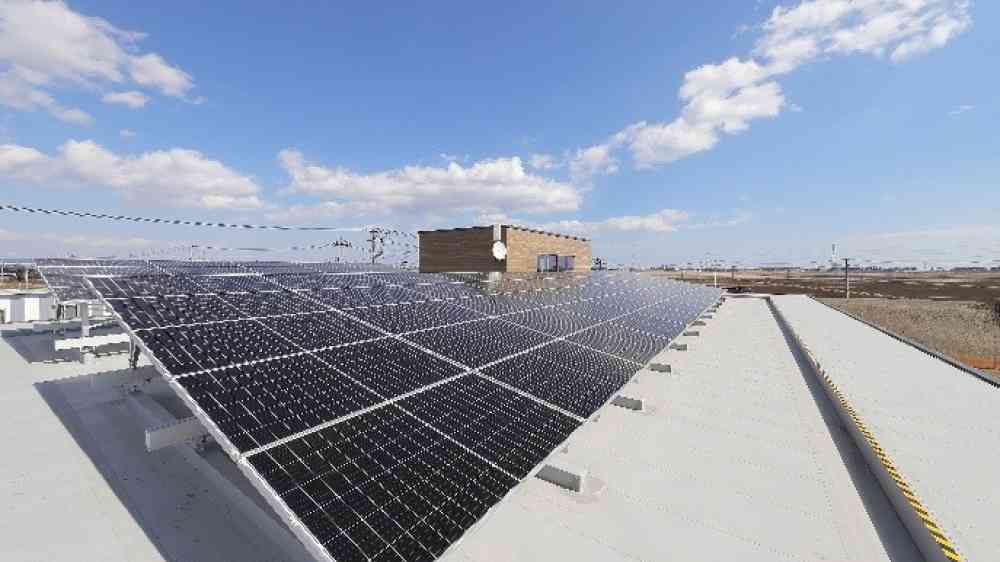
At the heart of this transformation was the construction of a new headquarters designed as a Net Zero Energy Building (ZEB). Completed in 2023, the facility combines significant energy efficiency with on-site renewable generation, including solar power and geothermal systems. With its own water source and high degree of self-sufficiency, the building can maintain core operations even when external lifelines are disrupted.
To address supply chain risks, the company has strengthened stockpiling of essential materials and established diversified procurement networks. These efforts reflect a broader point: resilience is not an add-on, but a foundational element that strengthens business continuity.
Furthermore, Tohoku Boring’s experience also reinforces the importance of people in resilience. While infrastructure and systems are essential, the company recognizes employee awareness and preparedness as equally important.
Beyond the company: scaling resilience through collaboration
Recognizing that no single company can respond to disasters alone, Tohoku Boring has extended its efforts beyond its own operations. Through the leadership of its Chairman Mr. Shigekazu Kumagai who also serves as chair of the Sendai Industrial Park Association, the company is promoting collective resilience among businesses in the industrial park.
This includes encouraging all member companies to develop Business Continuity Plans (BCPs) and fostering a shared understanding of disaster response. The goal is clear: to build a coordinated network of prepared businesses capable of supporting one another and the wider community during crises.
“It is not enough for our own company alone; each member company of the Industrial Park Association needs to work on BCP, and we must strengthen our collective ability as an Association to support the region.” Mr. Kumagai noted.
Furthermore, by leveraging relationships with partner companies across Japan, Tohoku Boring has created a system that allows resources and even personnel to be shared between companies when specific regions are affected.
At the same time, under UNDRR’s Strengthening the disaster resilience of SMEs initiative, Tohoku Boring is working with Sendai city to formalize its own business continuity plan (BCP), ensuring its own systems and procedures are clearly defined and actionable.
A hub for community support
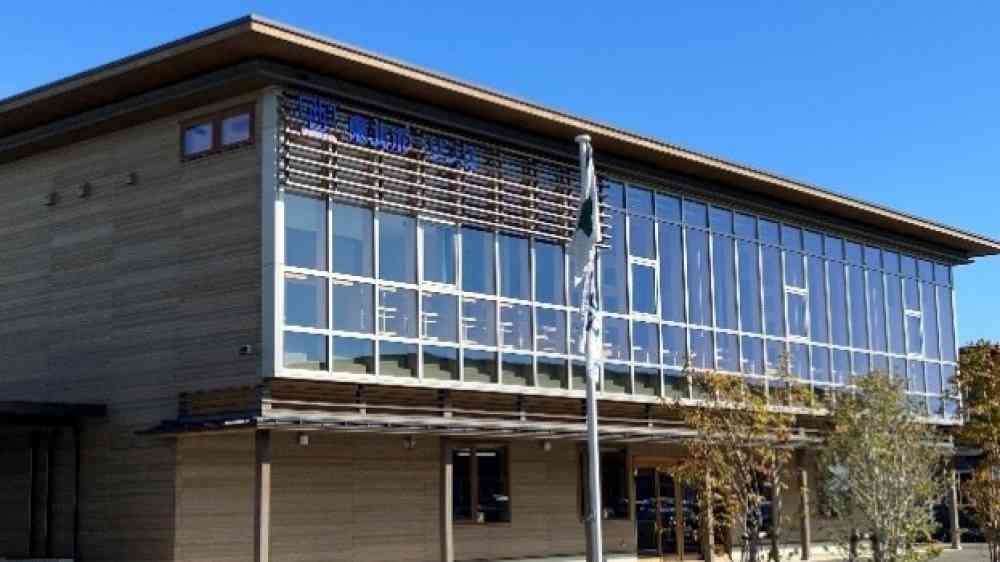
The company’s new headquarters is designed not only to protect business operations but also to serve the community. Equipped with emergency supplies, evacuation space and independent heating and cooling systems, the facility can accommodate residents during disasters.
This dual function ensuring business continuity and support for the community illustrates the interconnected nature of resilience. By ensuring its own operational stability, the company enhances its ability to provide critical services and safe spaces when they are most needed.
As Chairman Kumagai noted: “For a company to be able to function during a disaster, the fundamental premise is that we ourselves do not become disaster victims.”
Lessons to be shared across sectors and geographies
Today, Tohoku Boring stands as a stronger, more resilient organization. Its self-sufficient headquarters, improved supply chain resilience and leadership in industrial park collaboration position it to respond and recover effectively from future disruptions.
The company’s journey underscores an important lesson for SMEs worldwide: resilience is most effective when it is embedded across the organization, collaborative and rooted in real experience. By transforming lessons from disaster into concrete action, Tohoku Boring is helping to ensure that essential infrastructure and the communities that depend on it can withstand and recover from future shocks.